
Predictive Medicine Area
Biostatistics & AI for Biomedical Discovery (BIOSTAT-X)
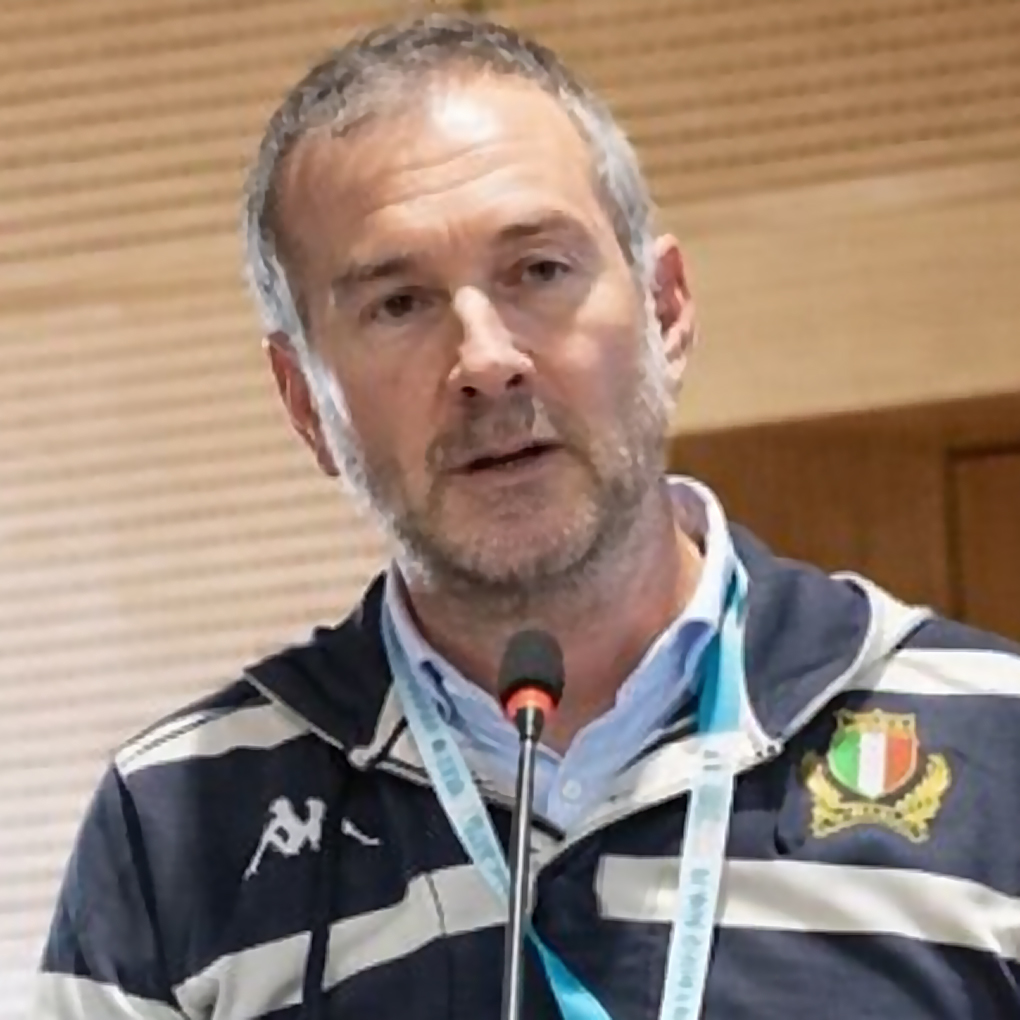
Prof. Dario Gregori
Principal Investigator
Research Activity
BIOSTAT-X (Biostatistics & AI for Biomedical Discovery) is a methodological laboratory dedicated to turning complex biomedical data into reliable, clinically meaningful evidence. We provide expertise in classical biostatistics and study design, supporting observational studies and clinical trials with rigorous planning, analysis, and reporting.
Our team develops advanced trial methodology, including Bayesian adaptive and group-sequential designs, and principled use of historical information when appropriate. We work on causal inference and efficient estimation strategies (e.g., propensity-score and doubly robust approaches) to strengthen real-world evidence.
A core activity is evidence synthesis through systematic reviews, meta-analysis and Bayesian network meta-analysis, including methods for handling missing data.
BIOSTAT-X builds and validates predictive models for risk stratification and decision support, with careful attention to calibration and clinical usability. Our AI/ML research spans interpretable machine learning to deep learning, applied to clinical, imaging and registry data for outcome prediction and monitoring. We also study how AI can enhance the design and conduct of clinical trials (e.g., participant selection, stratification, and data streams from digital devices).
In biomedical discovery, we analyze high-dimensional omics data and perform integrative analyses across molecular layers (e.g., GWAS/meta-analysis and transcriptomics/RNA-seq). We promote reproducible analytics pipelines and transparent reporting to facilitate translation from computational findings to robust biomedical knowledge.
We develop privacy-preserving approaches, including federated learning, to enable secure multi-centre collaboration.
The laboratory brings together academic researchers, PhD students, and Medical Statistics & Biometrics residents in a shared environment of research and training.
Related Research Area
Team Members
Prof. Dario Gregori – Principal Investigator
Dr. Luca Vedovelli – Senior Scientist
Dr. Daniele Sabbatini – Senior Scientist
Dr. Erica Bauducco – Scientific Project Manager
Dr. Gloria Brigiari – PhD Student
Dr. Ester Rosa – PhD Student
Dr. Stefania Lando – PhD Student
Dr. Anna Sordo – Resident in Medical Statistics
Selected Publications
- Lorenzoni G., Zanotto C., Sordo A., Cipriani A., Perazzolo Marra M., Tona F., Gasparini D., Gregori, D. Large language models to develop evidence-based strategies for primary and secondary cardiovascular prevention (2025) European Heart Journal – Digital Health, 6 (5), pp. 1069 – 1075
- Secchettin E., Paiella S., Azzolina D., Casciani F., Salvia R., Malleo G., Gregori D. Expert Judgment Supporting a Bayesian Network to Model the Survival of Pancreatic Cancer Patients † (2025) Cancers, 17 (2)
- Sciannameo V., Jahier Pagliari D.J., Urru S., Grimaldi P., Ocagli H., Ahsani-Nasab S., Comoretto R.I., Gregori D., Berchialla P. Information extraction from medical case reports using OpenAI InstructGPT (2024) Computer Methods and Programs in Biomedicine, 255
- Lorenzoni G., Gregori D., Bressan S., Ocagli H., Azzolina D., da Dalt L., Berchialla P. Use of a Large Language Model to Identify and Classify Injuries with Free-Text Emergency Department Data (2024) JAMA Network Open, 7 (5)
- De Luca D., Bonadies L., Neri C., Loi B., Silva-Garcia T. M., Ramos Noguera G., Vivalda L., Res G., de las Nieves Cidoncha-Fuertes M., Baena-Palomino C., Zanetto L., Vedovelli L., Gregori D., Baraldi E., Alonso-Ojembarrena A. Lung aeration and gas exchange in preterm infants developing moderate-to-severe bronchopulmonary dysplasia: a multicentre prospective study from the PATH-BPD cohort, (2026) The Lancet Regional Health – Europe, 63