
Experimental Cardiology Area
Cardiovascular Regenerative Medicine (CARE-MED)
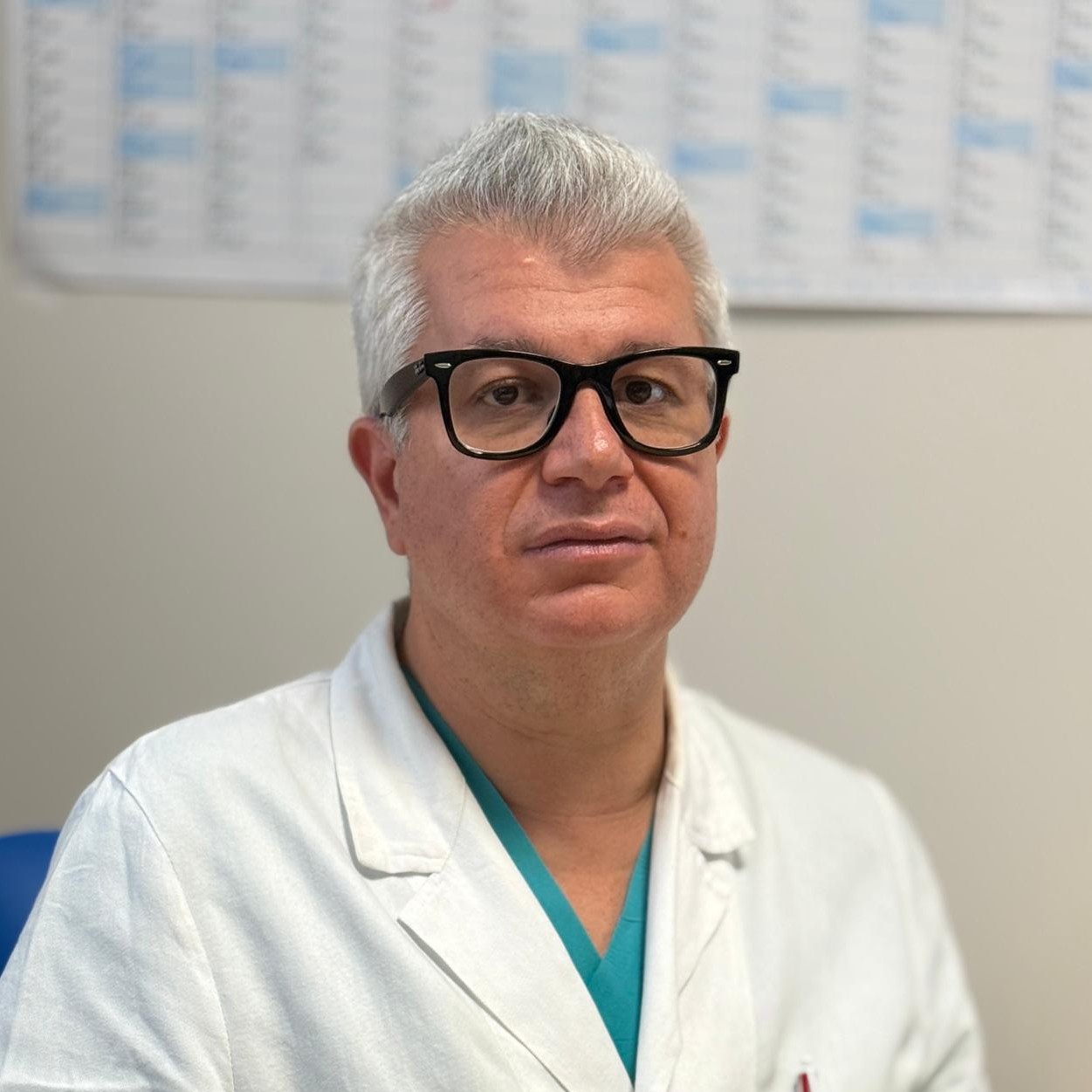
Prof. Vincenzo Tarzia
Principal Investigator
Research Activity
The Laboratory of Cardiovascular Regenerative Medicine (CARE-MED) directed by Prof. Vincenzo Tarzia (PI) studies the cellular and molecular mechanisms involved in cardiac diseases, study of biomaterials obtained from animal origin and theor biofabrication methods in repairing of cardiac tissue 3D microenvironment.
The CARE-MED lab aims at developing novel techniques for myocardial repair, based on tissue engineering,
The specific objectives of a cardiac regenerative medicine laboratory center on repairing or replacing damaged heart tissue, restoring heart function, and developing novel therapies.
Main results
In last couple of years, our research group has reported the novel protocols deals with the Biofabrication of the biomaterials obtained from the animal origins. This part is the basis for all applied research of our current and future discoveries for most of our developments. We pioneered a novel detergent which was successfully applied for the decellularization of the cardiac tissues in our lab and it replaced the most commonly used detergent which was proved to be the factor behind toxicity of endocrine function in patients received the bioprostheses treated with Triton X-100. Based on our reported data, there are several groups of researchers who endorsed the efficiency of the detergent with its ecofriendly and excellent biocompatibility in vitro and in vivo.
Recently, we reported a proof-of-concept for the selective partial decellularization of the endothelial cellular lining in coronary artery of the porcine model. This is the first report, in which we proposed the idea to combat the hyperacute rejection in patients with transplantation of vascular graft in chimeric model. This project is in further consideration in small animal models to study in detail on cellular and molecular level.
In recent years, we also established a whole heart decellularization protocol with maximum integration of the extracellular matrix, we applied retrograde perfusion system to obtain a complete acellular heart (Ghost Heart) by using novel detergent and in minimal time duration with constant pressure (Manuscript submitted). This led us to create multiple options to apply the obtained scaffold e.g. preparing hydrogel to be used for Stem cells derived cardiomyocytes for the study of 3D microenvironment studies of cellular response.
The vascular graft model to study the disease mechanisms is under processed research work and we obtained few interesting results (unpublished data) by using the coronary artery scaffold manipulation with the endothelial cells either derived from hiPSCs or stable cell lines. This in vitro model can provide the opportunity to study several vascular disease modeling phenomena.
Translational impact
The outcomes of this research present strong translational potential in the field of cardiovascular tissue engineering and regenerative medicine. The development of a novel, eco-friendly detergent for tissue decellularization directly addresses a major clinical limitation associated with conventional detergents, particularly their link to endocrine toxicity in bioprosthetic applications. By providing a safer and more biocompatible alternative, this approach has the potential to improve the clinical safety profile of decellularized biomaterials and support their adoption in the production of next generation bioprostheses.
The ability to achieve selective partial decellularization of the endothelial layer in vascular tissues introduces an innovative strategy to reduce graft immunogenicity while preserving essential extracellular matrix architecture. This approach may significantly mitigate hyperacute rejection, a critical barrier in vascular transplantation and xenotransplantation, thereby enhancing graft integration and long-term functionality. Ongoing validation in small animal models will further clarify its clinical applicability.
Moreover, the establishment of a rapid whole-heart decellularization protocol yielding structurally preserved “ghost heart” scaffolds provides a scalable platform for organ-level bioengineering. These scaffolds, along with derived extracellular matrix hydrogels, enable advanced 3D culture systems using stem cell–derived cardiomyocytes and endothelial cells. Such platforms are highly relevant for disease modeling, drug screening, and the development of personalized therapeutic strategies. Collectively, these
advances contribute to bridging the gap between experimental research and clinical translation by offering safer biomaterials, improved graft design, and versatile platforms for regenerative applications.
Related Research Area
Team Members
Prof. Vincenzo Tarzia – Principal Investigator
Dr. Saima Imran – Lab Responsible
Dr. Federica Serra – Post Doc
Dr. Nicola Pradegan – PhD Student
Dr. Tea Lena – Cardiac Surgery Resident / Research Fellow
Diego Cecarelli – Thesis Student
Zain Ali – Thesis Student
Selected Publications
• Nicola Pradegan*, Saima Imran *, Diego Ciccarelli, Tea Lena, Fabio Zanella, Emanuele , Gino Gerosa, Breaking Barriers: Proof of Concept for Selective Coronary Endothelial Decellularization in Whole Porcine Hearts for Xenotransplantation, Xenotransplantation 10.1111/xen.70142 (Accepted).
• Nicola Pradegan, Luigi Garufi, Tea Lena, Vincenzo Tarzia* et al, Age Matters? Investigating VARC-3 Outcomes in Surgical Aortic Valve Reoperations: A Multicenter Study, January 2026 DOI: 10.21203/rs.3.rs- 8534826/v1
• Casarin M., Fortunato T.M., Imran S.J., Todesco M., Marchesan D. S. M., Gerosa G, Romanato F., Bagno A. *, Dal Moro F., Morlacco A., Preliminary in vitro assessment of decellularized porcine descending aorta for clinical purposes, Journal of Functional Biomaterials, 2023-02-06 J. Funct. Biomater. 2023, 14(3), 141; DOI: https://doi.org/10.3390/jfb14030141.
• Tondato S., Moro A., Butt S., Todesco M., Sandrin D., Borile G., Marchesan M., Fabozzo A., Bagno A., Romanato F; Imran S. J.*, Gerosa G., Tergitol Based Decellularization Protocol Improves the Prerequisites for Pulmonary Xenografts: Characterization and Biocompatibility Assessment Polymers, 2023-02-06 DOI: 10.3390/polym15040819.
• Tolomeo AM, Fabozzo A, Malvicini R, De Lazzari G, Bisaccia P, Gaburro G, Arcidiacono D, Notarangelo D, Caicci F, Zanella F, Marchesan M, Yannarelli G, Santovito G, Muraca M, Gerosa G. Temperature-Related Effects of Myocardial Protection Strategies in Swine Hearts after Prolonged Warm Ischemia. Antioxidants (Basel). 2022 Feb 28;11(3):476. doi: 10.3390/antiox11030476. PMID: 35326125; PMCID: PMC8944743.